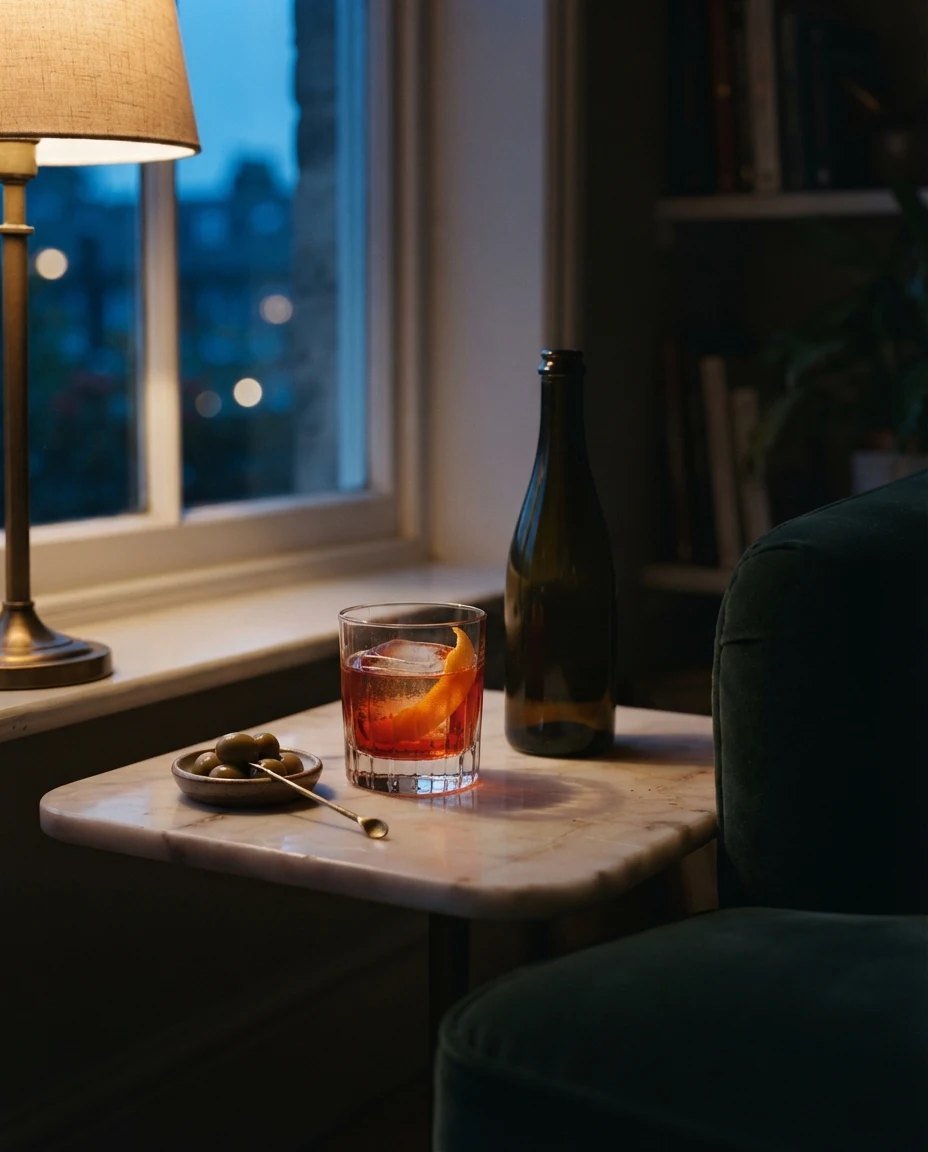

The first sip of a non-alcoholic spirit, poured neat, often disappoints. That is not a flaw in the bottle. Without alcohol, there is no burn, less body and a different way of carrying flavor. These drinks are made to be the base of something longer.
Mix first, sip second
Treat a non-alcoholic spirit as you would a cordial or a vermouth: something that adds flavor to a glass, rather than a drink on its own. Most makers print serving suggestions on the label, and they are worth following the first time.
A simple starting point
- Highball: one part spirit to three parts tonic or soda, over plenty of ice, with a strip of citrus peel.
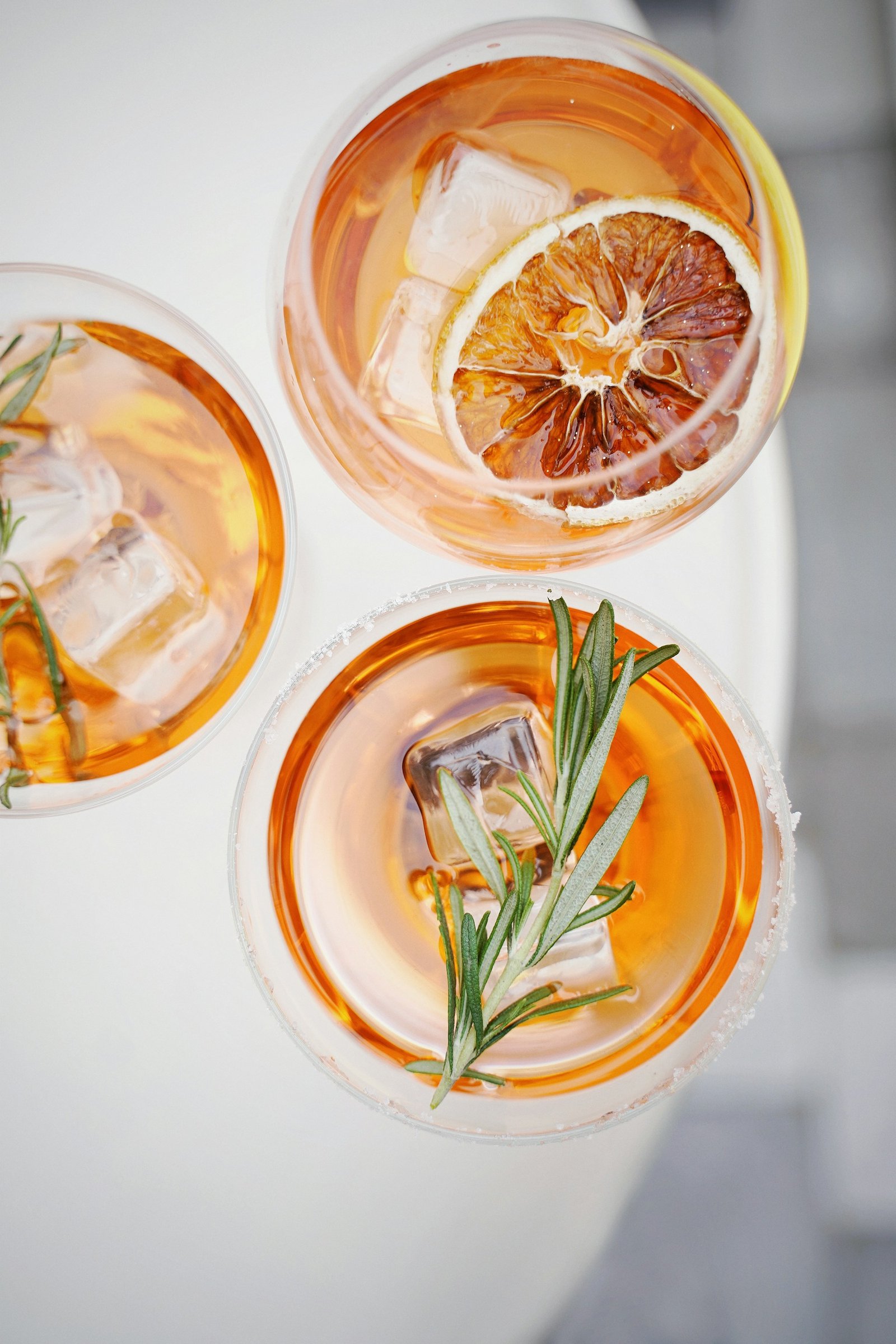
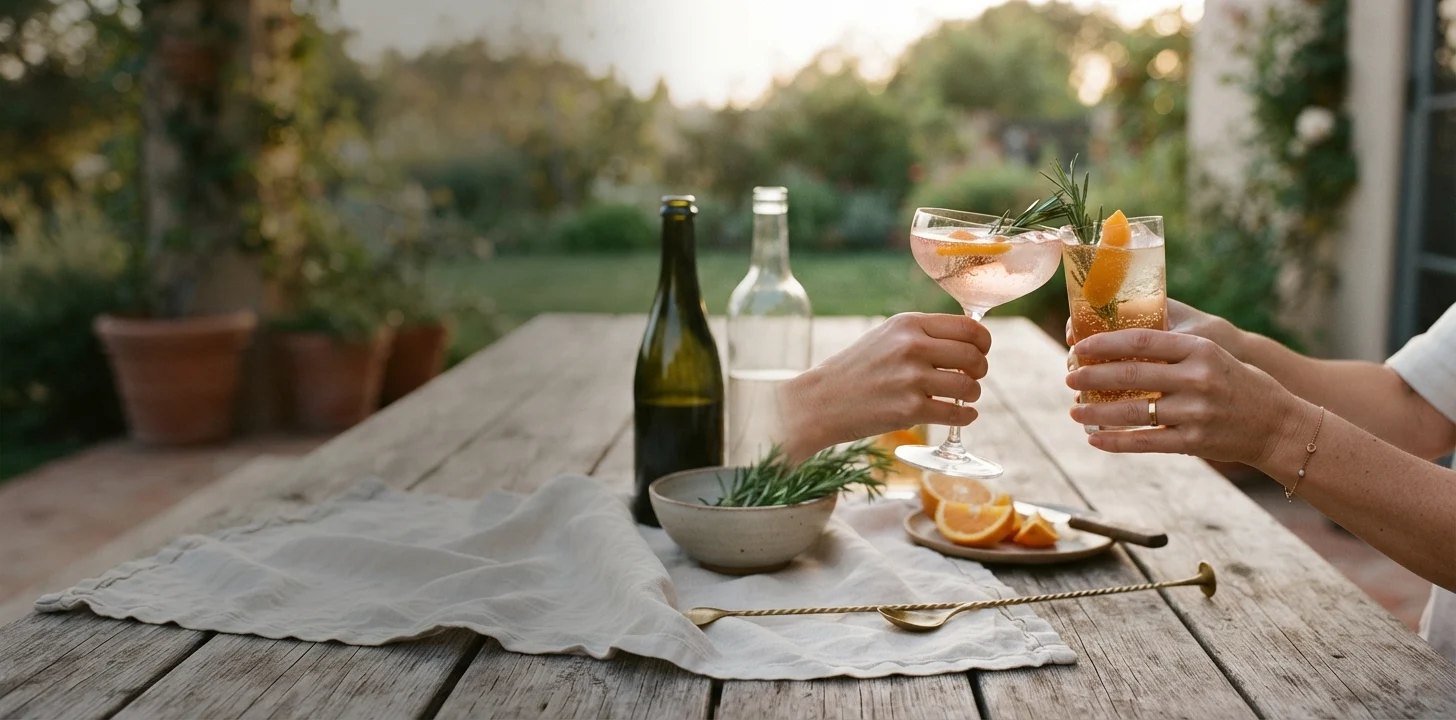
- Spritz: a bitter aperitivo topped with soda or a sparkling non-alcoholic wine, with an orange slice.
- Mule: a botanical or agave-style spirit with ginger soda and fresh lime.
Adjust from there. If a drink tastes thin, use less mixer. If it tastes too bitter, add a little more soda or a squeeze of citrus.
Store it like a mixer
Many non-alcoholic spirits do not keep as long as their alcoholic counterparts once opened, because alcohol is a preservative. Check the label for storage instructions and a use-by window, and refrigerate after opening if the maker recommends it.
Where to start
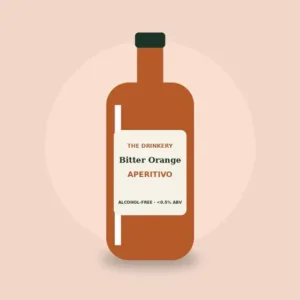
If you are new to the category, a bitter aperitivo is the easiest place to start: it is meant to be lengthened with soda, so it tastes right from the first glass. Browse non-alcoholic spirits and aperitifs, pair them with something from our sodas and tonics, or read what “non-alcoholic” means on a label.